
Psychosocial Safety Matters: Moving Beyond Wellness Perks to Real Risk Management

Be honest.
When you hear "workplace wellness," do you picture a bowl of slightly bruised apples in the breakroom?
Or maybe a 4:00 PM yoga session that precisely three people attended? (Hello, awkward silence).
For a long time, this was the "gold standard." We threw perks at people and hoped they’d feel better.
But the game has changed.
In Australia, we are moving away from reactive "perks" and moving toward a clinical, structured approach to psychosocial safety.
It’s no longer just a nice-to-have. It’s a legislative requirement.
And if we’re being real, a fruit bowl isn't going to stop your top talent from burning out.
The New Standard: It’s Not Optional Anymore
The National Work Health and Safety Strategy 2023–2033 has made one thing very clear:
Psychological health is just as important as physical health.
Safe Work Australia and the updated NSW WHS Regulation 2025 now require businesses to regulate psychosocial risks with the same rigour as a trip hazard or a faulty piece of machinery.
It’s about risk management, not just "wellness."
Think of it this beahvioural shift as moving from a "band-aid" fix to a "prevention" strategy.
Instead of waiting for a staff member to reach breaking point, we look at the system that caused the break in the first place.
Proactive management → Healthier culture → Better business outcomes.
Beyond the Buzzwords: What is Psychosocial Risk?
In simple terms, a psychosocial hazard is anything at work that could harm someone’s mental health.
It’s the unrealistic deadlines that keep people up at 2:00 AM.
It’s the lack of role clarity that leaves someone guessing if they’re doing a good job. (Because stress is unavoidable, but unnecessary confusion is a choice).
It’s even the way the physical setup of an office impacts our focus and energy levels.
When these risks aren't managed, we see the results in the data:
Increased absenteeism.
Sky-high turnover.
A drop in cognitive performance and productivity.
Essentially, poor psychosocial safety is a silent profit killer.
The InnerWorkings Framework: Empathy, Energy, and Environment
At InnerWorkings, we don’t just talk about "feeling good."
We use a science-backed framework to help you meet your WHS obligations while actually improving the lives of your team.
Our programs are delivered by qualified health professionals: including Registered Nurses and Naturopaths/Nutritionists: to ensure every piece of advice is evidence-based.
We look at three core pillars:
1. Empathy (Culture & Leadership)
Psychosocial safety starts with how we interact.
We work with leaders to foster a culture where workers feel heard and supported.
It’s about shifting from "command and control" to a leadership style that understands the human nervous system.
When people feel safe, they innovate. When they feel threatened, they shut down.

2. Energy (The Clinical Edge of HRV)
This is where the science gets really interesting.
We use Heart Rate Variability (HRV) as a core clinical tool to measure stress and recovery in real-time.
HRV isn't just a tech trend; it's a window into the autonomic nervous system.
Our HRV and breathwork tools are designed to support and complement the Higher-Order Controls (such as job and work design) mandated by the NSW WHS Regulation 2025.
By understanding HRV, your team can learn specific nervous system regulation techniques to manage their energy.
Imagine being able to "downshift" after a high-pressure meeting rather than carrying that stress home to your family.
High HRV → Better focus → Sustained productivity.
3. Environment (Optimising the Physical Setup)
Your surroundings dictate your biology.
We provide guidance on physical setup: the way your desk, lighting, and movement habits impact your physical and mental strain.
Notice we didn't say "ergonomics"?
That's because we're looking at more than just chair height.
We’re looking at how to optimise the physical environment to support deep focus and reduce the physical "static" that leads to mental fatigue.

Why This is a Strategic Business Lever
Investing in psychosocial safety isn't just about avoiding a fine from SafeWork NSW.
It’s about ROI.
When you move from reactive perks to proactive risk management, you’re investing in the "engine" of your business: your people.
The data tells a clear story:
Reduced Absenteeism: Healthier staff show up.
Lower Turnover: People stay where they feel safe and valued.
Enhanced Focus: A regulated nervous system is a productive one.
This isn't just "wellbeing." It's high-performance strategy.
Meet the Experts Behind the Science
We believe health advice should come from those who truly understand the human body.
Our programs aren't led by "lifestyle coaches" with a weekend certificate.
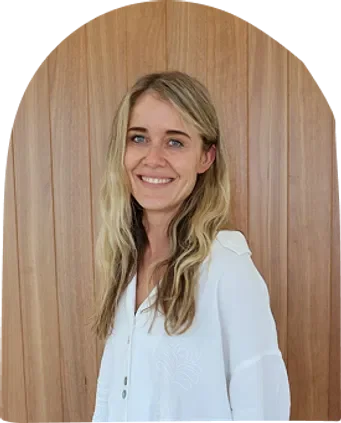
They are designed and delivered by qualified health professionals, an RN and Clinical Nutritionist who translate complex science into simple, actionable steps.
Whether it's breathwork techniques or metabolic health guidance, everything is grounded in clinical evidence.
The Bottom Line
The era of the "office fruit bowl" as a health strategy is over.
The Australian workforce is demanding more, and the law is now backing them up.
But managing psychosocial risk doesn't have to be a daunting, bureaucratic nightmare.
It can be an opportunity to transform your culture and build a team that is resilient, focused, and genuinely energised.
Ready to move beyond perks?
We’d love to have a low-pressure chat about how we can help you align with the latest WHS guidelines while actually making your workplace a better place to be.
Let’s connect and see what’s possible.
Medical Disclaimer: The information provided in this post is for educational and informational purposes only and is not intended as medical advice. This content is for educational purposes regarding workplace wellness and does not constitute legal advice on WHS compliance or clinical medical advice. Always seek the advice of your physician or other qualified health provider with any questions you may have regarding a medical condition or your health and wellbeing. InnerWorkings programs are designed to support workplace health and safety in alignment with the NSW WHS Regulation 2025 and Safe Work Australia guidelines.