
6 Mistakes You’re Making with Employee Burnout Prevention (and How to Fix Them)

Is your burnout strategy actually working?
(Be honest.)
Most leaders we talk to are genuinely trying. They’ve got the EAP on speed dial. They’ve organised the "Lunch and Learn." They might even have a yoga teacher who visits once a month.
And yet, the emails keep flying at 10:00 PM, the "quiet quitting" is getting louder, and your best people look like they’ve been through a structural integrity test.
The truth? Burnout isn't a "lack of resilience" problem. The problem actually lies in the workplace design.
If your team is still exhausted despite your best efforts, you’re likely falling into one of these six common traps.
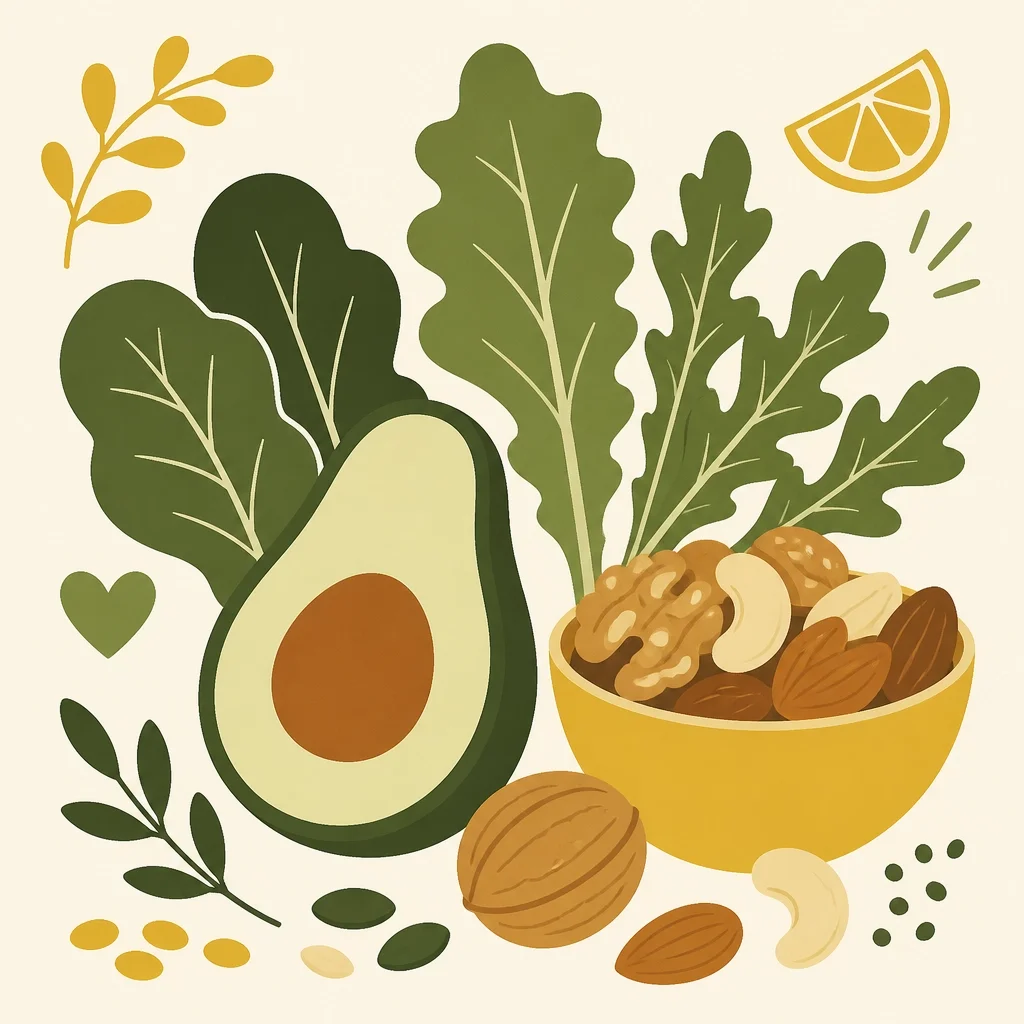
1. Poor nutritional choices
We love a good Granny Smith as much as the next person. But a basket of apples in the breakroom isn't helpful.
Mistaking "healthy snacks" for actual energy management is a huge missed opportunity.
As our lead nutritionist Peta Matthews points out, burnout is often accompanied by massive blood sugar spikes and crashes. When your team is living on caffeine and high-sugar "convenience" snacks just to survive the afternoon, their focus is the first thing to go.
→ Poor nutrition choices → Blood sugar instability → Brain fog and afternoon fatigue → Increased stress.
Instead of just providing food, provide the education on how to eat for sustained focus.
2. Ignoring the "Hardware" (Your Nervous System)
Most wellness programs focus on mindset strategies such as positive thinking, resilience training, or meditation apps.
While these tools can be valuable, they often overlook the body's physiological state. If the nervous system is stuck in a chronic stress response, it can be difficult to think clearly, regulate emotions, focus, or recover effectively.
That's where the vagus nerve and Heart Rate Variability (HRV) become important. They provide insight into how well the nervous system can adapt, recover, and shift out of "fight or flight" mode.
If employees have a low HRV, it may indicate that their nervous system is under increased strain and has less capacity to adapt to stress. This can make it harder to recover from challenges, regulate emotions, maintain focus, and sustain energy throughout the day.
The good news is that the nervous system is adaptable. Techniques such as breathwork, vagal nerve stimulation, movement, and mindfulness can help activate the body's recovery response, improving resilience and the ability to shift from stress back into a calmer, more regulated state.
→ Stuck in "Fight or Flight" → Chronic Cortisol → Physical Burnout.
We need to stop asking people to think differently and start teaching them to breathe and regulate differently.

3. Being Reactive Instead of Proactive
Most organisations treat burnout like a fire to be put out. But under current standards, you have a "proactive duty" to manage psychosocial risks before they result in harm.
This means identifying the hazards, like excessive job demands, low job control, or poor support, and fixing them at the source.
Don’t wait for the burnout claim. Manage the risk today.
4. The "Wellness" vs "WHS" Gap
Here is the part most leaders miss: Wellness is optional. WHS is a legal requirement.
If you are treating burnout prevention as a "nice-to-have" HR perk, you are likely out of alignment with the NSW WHS Regulation 2025.
As of August 2025, the law has tightened significantly. You are now legally required to apply the "hierarchy of controls" to psychosocial risks.
This means:
You cannot just rely on an EAP (that's an administrative control, aka the bottom of the list).
You must look at work design.
You must consult with your team on these risks.
Failing to align with Safe Work Australia guidelines isn’t just bad for culture, it’s a compliance risk.
5. Over-complicating the Science
We get it. The science of stress can be complex.
But if your wellbeing program sounds like a medical textbook, people will quickly switch off.
One of the biggest mistakes organisations make is assuming that "evidence-based" has to mean complicated. It doesn't.
We believe in translating complex neuroscience and physiology into practical, relatable concepts that people can actually use. Employees don't need to understand every biochemical pathway involved in stress. They need to understand why they feel tense, tired, distracted, or overwhelmed, and what they can do about it.
When people understand what's happening in their bodies and are given simple, effective tools, lasting change becomes much more achievable.
Keep it simple. Keep it conversational. Make it usable.

6. The "One-and-Done" Workshop
This is the biggest mistake of all.
You hire a speaker. They give a great 60-minute talk. Everyone feels inspired for... exactly three hours. Then the emails start again and the inspiration evaporates.
Burnout prevention isn't an event; it's a culture.
Interactive, continuous support is what actually changes behaviour. You need programs that stick, meal plans that people actually use, and techniques that become part of the daily workflow.
How to Fix It
If you’ve realised you might be making a few of these mistakes: don't panic.
The shift from "perks" to "integrated health" is a journey.
Start by looking at the data. What is the energy like in your office at 2:00 PM? How many people are taking "mental health days" that are actually just burnout days?
At InnerWorkings, we help businesses bridge the gap between "we should do something about burnout" and "we have a science-backed, WHS-compliant strategy that actually works."
Our programs are delivered by qualified health professionals who understand that your team is busy. We don’t do fluff. We do evidence-based, interactive health that boosts the bottom line.
Medical Disclaimer: The information in this blog is for educational purposes only and is not intended as medical advice. Always seek the advice of a qualified health professional regarding any medical condition or health goal. InnerWorkings provides educational guidance on wellness and WHS compliance, not clinical treatment.